
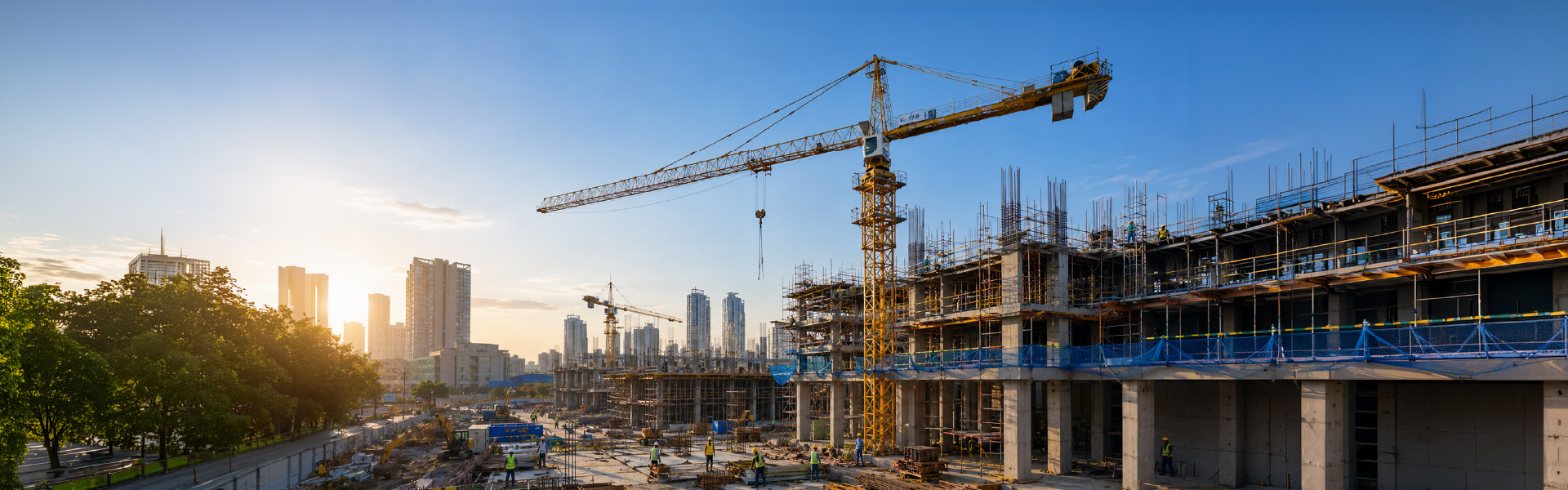
Why Redevelopment Is Necessary

Cities are constantly evolving. As populations grow and urban landscapes become denser, buildings
constructed decades ago often struggle to meet the needs of modern living. Aging structures, outdated
infrastructure, limited amenities, and changing safety standards have made redevelopment one of the most
important aspects of urban transformation.
Redevelopment is not simply about replacing an old building with a new one. It is about creating safer
homes, improving lifestyles, maximizing land use, strengthening communities, and preparing cities for the
future. Across India, particularly in metropolitan cities like Mumbai, Pune, Bengaluru, Delhi, and
Hyderabad, redevelopment has become a practical solution to address the challenges posed by aging
residential and commercial properties.
In this blog, we explore why redevelopment is necessary, its benefits, and how it contributes to sustainable
urban development.
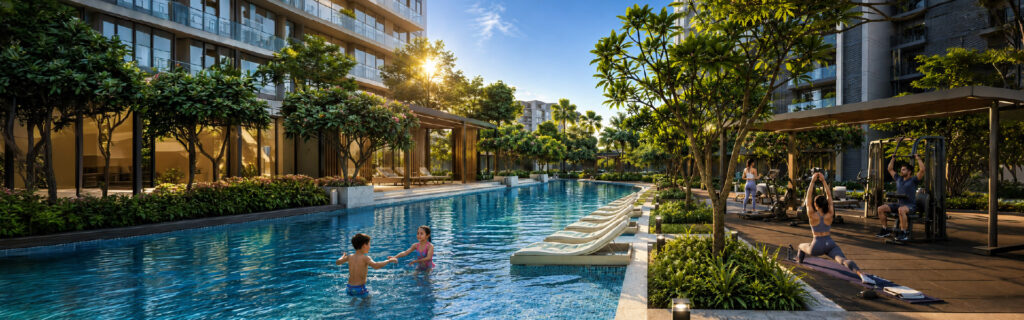
What is Redevelopment?
Redevelopment is the process of demolishing an old, structurally outdated, or underutilized building and
constructing a new one in its place. The new development is designed according to modern engineering
standards, safety regulations, and lifestyle expectations.
Unlike simple renovation, redevelopment involves rebuilding the structure from the ground up, allowing for
better planning, stronger construction, improved infrastructure, and enhanced amenities.
Why Redevelopment is Necessary
1. Aging Buildings Become Structurally Weak
One of the biggest reasons redevelopment becomes necessary is the natural aging of buildings.
Most residential buildings have a structural lifespan that depends on construction quality, maintenance,
environmental conditions, and usage. Over time, buildings experience:
● Concrete deterioration
● Steel corrosion
● Water seepage
● Foundation settlement
● Cracks in walls and slabs
● Plumbing failures
● Electrical deterioration
Even with regular repairs, there comes a stage where maintaining an old building becomes more expensive
and less effective than rebuilding it entirely.
Redevelopment ensures residents live in structures built with the latest construction technology,
earthquake-resistant designs, and higher safety standards.
2. Improved Safety Standard
Safety regulations evolve continuously.
Buildings constructed 30 to 50 years ago were designed according to the engineering practices of that era.
Today’s building codes require significantly stronger measures for:
● Earthquake resistance
● Fire safety
● Emergency exits
● Lift standards
● Structural stability
● Electrical systems
● Water management
Redevelopment ensures compliance with current regulations, making homes considerably safer for
residents.
In cities prone to heavy rainfall or seismic activity, redevelopment becomes not just beneficial but essential.
3. Better Lifestyle and Modern Amenities
Lifestyle expectations have changed dramatically.
Residents today expect features that older buildings simply cannot accommodate.
Modern redevelopment projects often include:
● Clubhouses
● Swimming pools
● Fitness centres
● Children’s play areas
● Landscaped gardens
● Senior citizen zones
● Indoor games
● Walking tracks
● Multipurpose halls
● Co-working spaces
● Smart security systems
These amenities significantly improve the quality of life while creating vibrant residential communities.
4. Enhanced Property Value
One of the strongest financial advantages of redevelopment is appreciation in property value.
A redeveloped property generally commands:
● Higher market prices
● Better rental income
● Greater resale demand
● Increased investment potential
Modern architecture, improved amenities, better layouts, and enhanced infrastructure make redeveloped
homes more attractive to buyers.
For homeowners, redevelopment often transforms an aging asset into a high-value investment.
5. Efficient Land Utilization
Land is one of the scarcest resources in growing cities.
Many old buildings occupy valuable urban land but utilize only a fraction of its development potential due
to outdated planning regulations.
Redevelopment allows:
● Better Floor Space Index (FSI) utilization
● Optimized building design
● More efficient layouts
● Additional housing units
● Better open spaces
This helps cities accommodate growing populations without expanding into environmentally sensitive
areas.
6. Sustainable Urban Development
Modern redevelopment projects are significantly more environmentally responsible than older buildings.
New developments commonly incorporate:
● Rainwater harvesting
● Solar energy systems
● Waste management solutions
● Energy-efficient lighting
● Water-efficient plumbing
● Green landscaping
● EV charging infrastructure
These features reduce environmental impact while lowering operating costs for residents.
Redevelopment plays an important role in building sustainable cities for future generations.
7. Lower Maintenance Costs
Older buildings require frequent repairs.
Residents often face recurring expenses related to:
● Waterproofing
● Plumbing repairs
● Lift replacement
● Electrical rewiring
● Structural repairs
● Painting
● Drainage maintenance
These costs increase year after year.
Redeveloped buildings come with new systems and modern materials that require significantly less
maintenance in the initial years, reducing financial burden on residents.
8. Better Infrastructure
Redevelopment offers an opportunity to completely modernize infrastructure.
This includes:
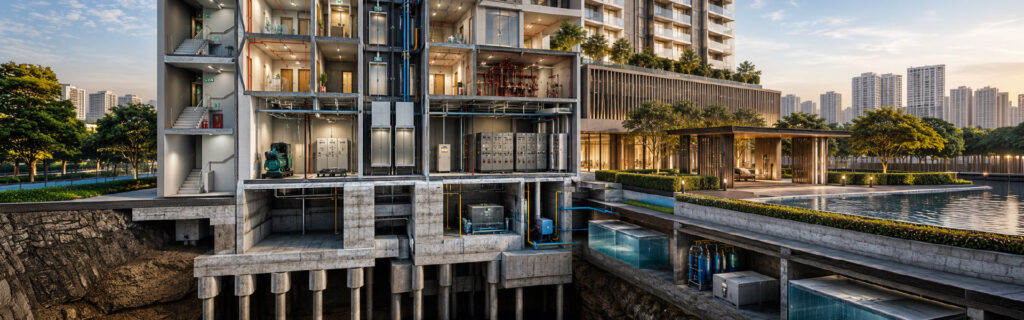
● Larger water storage
● Modern sewage systems
● Better drainage
● High-speed elevators
● Improved electrical infrastructure
● Smart metering
● High-speed internet readiness
● Enhanced parking solutions
Such improvements make daily life smoother and more convenient.
9. Increased Parking Facilities
Parking has become one of the biggest challenges in older residential societies.
Many buildings constructed decades ago were designed when vehicle ownership was considerably lower.
Redeveloped projects often provide:
● Basement parking
● Podium parking
● Dedicated visitor parking
● EV charging stations
● Better traffic movement
These improvements significantly enhance convenience for residents.
10. Improved Living Spaces
Homebuyers today seek spacious, well-ventilated homes with abundant natural light.
Redevelopment allows architects to design:
● Better floor plans
● Larger balconies
● Efficient layouts
● Improved ventilation
● Larger windows
● Smart space utilization
These features enhance comfort while improving overall living standards.
11. Strengthening Communities
Redevelopment is not just about buildings, it is also about people.
Modern residential developments create opportunities for greater social interaction through:
● Community halls
● Recreational spaces
● Gardens
● Clubhouses
● Children’s activity zones
These spaces encourage stronger neighbourhood relationships and improve community living.
12. Compliance with Modern Urban Planning
City planning authorities continuously revise regulations to improve urban infrastructure.
Redevelopment enables buildings to align with modern planning norms, including:
● Wider access roads
● Fire access
● Green spaces
● Stormwater management
● Accessibility for senior citizens and differently abled individuals
This contributes to safer and better-planned neighbourhoods.
Redevelopment Benefits for Homeowners
Homeowners often receive multiple advantages during redevelopment.
Some common benefits include:
● A brand-new apartment
● Additional carpet area (subject to agreement)
● Modern amenities
● Better security
● Increased property value
● Improved building lifespan
● Reduced maintenance costs
● Enhanced resale opportunities
Many redevelopment agreements also provide temporary accommodation or rental compensation while
construction is underway.
Benefits of Redevelopment for Cities
Redevelopment contributes to the overall growth of cities by:
● Replacing unsafe buildings
● Increasing housing supply
● Improving urban infrastructure
● Promoting sustainable construction
● Enhancing city aesthetics
● Supporting economic development
● Creating employment opportunities
● Optimizing land utilization
Instead of expanding city boundaries endlessly, redevelopment makes better use of existing urban land.
Challenges in Redevelopment
While redevelopment offers numerous benefits, it also comes with challenges that require careful planning.
Some common considerations include:
● Obtaining consensus among society members
● Selecting a credible developer
● Legal documentation
● Temporary relocation
● Project timelines
● Regulatory approvals
Choosing an experienced and transparent developer is crucial to ensuring a smooth redevelopment journey.
The Future of Redevelopment in India
India’s urban population is expected to continue growing rapidly over the coming decades. Thousands of
residential buildings constructed in the 1960s, 1970s, and 1980s are now reaching an age where major
structural upgrades or complete redevelopment become necessary.
Government initiatives supporting urban renewal, improved redevelopment policies, higher development
potential in selected areas, and increasing demand for modern housing are expected to accelerate
redevelopment across major cities.
As smart cities evolve, redevelopment will play a central role in creating safer, greener, and more efficient
urban environments.
Conclusion
Redevelopment is far more than replacing an old structure with a new one. It is an investment in safety,
sustainability, better infrastructure, enhanced lifestyles, and long-term property value.
For homeowners, it offers the opportunity to upgrade to modern living without changing location. For
cities, it provides a sustainable path toward accommodating growing populations while improving urban
infrastructure. For future generations, redevelopment helps create resilient communities designed for
contemporary needs.
As India’s cities continue to evolve, redevelopment will remain one of the most effective tools for
transforming aging neighbourhoods into vibrant, future-ready communities.
FAQs
Is redevelopment better than renovation?
Renovation addresses cosmetic or minor structural issues, whereas redevelopment rebuilds the property
entirely, offering improved safety, modern amenities, and a longer building lifespan.
How does redevelopment increase property value?
A new building with updated infrastructure, modern amenities, improved layouts, and better construction
quality generally commands higher resale and rental values.
Who benefits from redevelopment?
Residents, developers, local authorities, and the wider community all benefit through safer buildings,
improved infrastructure, enhanced lifestyles, and stronger urban development.
Is redevelopment environmentally sustainable?
Yes. Modern redevelopment projects often incorporate green building practices such as energy-efficient
systems, rainwater harvesting, solar power, and waste management solutions, making them more sustainable
than older structures.
Why is redevelopment important in cities like Mumbai?
Cities like Mumbai have many aging buildings, limited land availability, and growing housing demand.
Redevelopment helps improve safety, optimize land use, and provide modern homes without expanding the
city’s footprint.